
Who We Are
Atipan Research is an independent group of researchers and collaborators based in the Philippines. We work on problems at the intersection of health systems and underserved communities — telehealth access, health informatics infrastructure, indigenous community health, mental health equity, and the data governance frameworks that underpin all of it. We are a team of people who have spent years in fieldwork, in clinics, in barangays, and in front of health datasets — and who believe that rigorous research is most useful when it starts from a concrete, specific problem rather than a broad mandate.
Our Principles
We abide by the highest principles of data stewardship, which reside in ethical and responsible behaviors for sourcing, sharing and implementing data in a manner that will cause no harm and maximize positive impact.
-
Understand, mitigate and communicate the presence of bias in both data practice and consumption.
-
Set people before data and be responsible for maximizing social benefit and minimizing harm.
-
Practice humility and openness. Transparent practices, community engagement, and responsible communications are an integral part of data ethics.
-
Ensure that every effort is made to glean a complete understanding of what is contained within data, where it came from, and how it was created. Extend this effort for future users of all data and derivative data.
Our Values
We also advocate for an effective, ethical, and modern approach to data teamwork as embodied through our values.
-
Maximize diversity, connectivity, and accessibility among data projects, collaborators, and outputs.
-
Emphasize continuous iterative testing and data analysis.
-
Behave ethically and transparently, fix mistakes quickly, and hold ourselves and others accountable.
-
Prioritize projects with well-defined goals, and design them to achieve measurable, substantive outcomes.
Learn more about these practices at https://datapractices.org/
Meet the Team
-
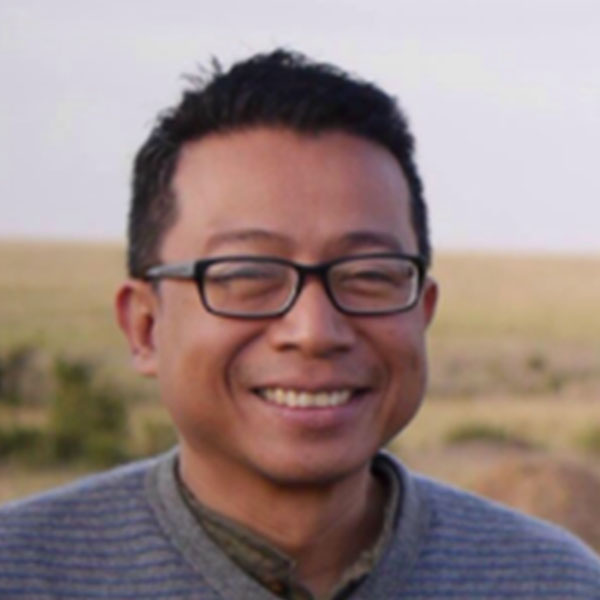
Romulo "Jong" de Castro
Atipan Research Founder
Jong believes that electronic medical records have the potential to transform healthcare worldwide for the better, but also that wide scale adoption and equitable access, especially for those not able to afford a system of their own, are prerequisites to the benefits.
-

Raphael Nelo Aguila
Senior Software Developer
Nelo believes that information technology coupled with data of relevance and prime, can either push a nation towards growth, or bring distress. The power it has greatly necessitates the promotion of standards and good data ethics.
-

Alanna Marie Panes
Research Collaborator
Alanna believes that data is powerful and should be empowering. It enables individuals and communities to progress towards social equity through research, cultural respect, and the integral use of data and information.
-
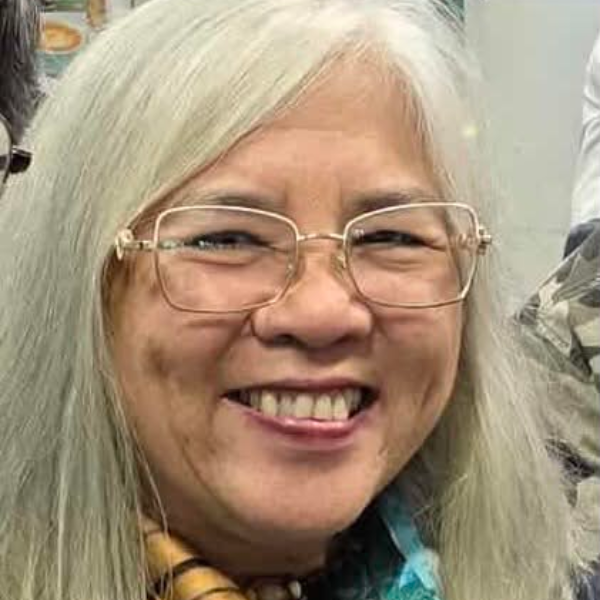
Roselle Leah Rivera
Consultant
Roselle believes that many social issues are also data issues. We explain the extent of the use of the data that we gather. “Pakikipagkapwa” (regard people with dignity and respect), also means that we make sure we obtain their informed consent.
-
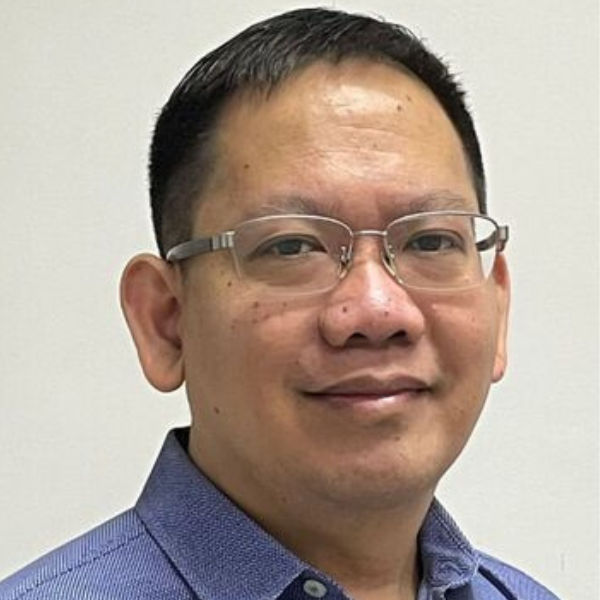
Jesus Emmanuel Sevilleja
Consultant
Data is more than numbers—it is the foundation of knowledge, innovation, and progress. In a world overflowing with information, data transforms uncertainty into understanding, turning observations into evidence and evidence into action. The question is not whether data can change the world, but whether we are prepared to ask the right questions and use it to make a difference.
Contributors
-
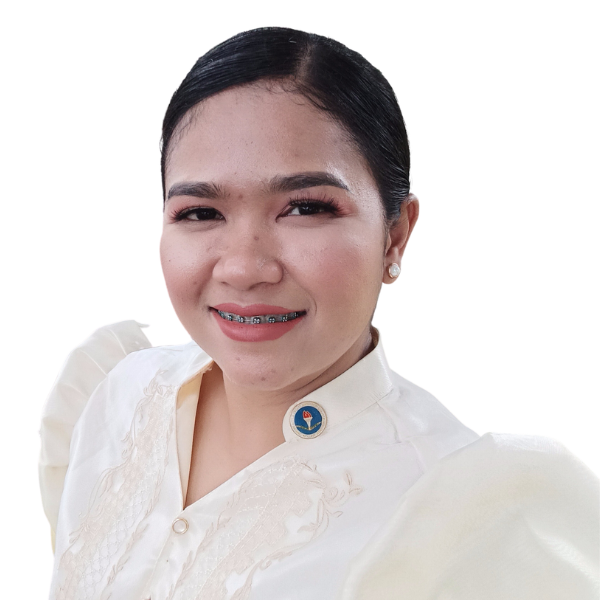
Cindy Dela Cruz
Contributor
Cindy believes that utilizing data science and health informatics to adapt to such dynamic advances and transmit them to the community are crucial tools and a significant component to the long-term development, credibility, and effectiveness of institutions.
-

Oliver Generalao
Contributor
Oliver believes that data equity promotes fairness and inclusivity, it can drive innovation and progress, yet vigilance against its misuse is crucial to safeguard privacy and prevent discrimination
-

Robbie Mondia
Contributor
Robbie believes that data is everything that could protect or endanger us. Right now, securing our data is as important as securing our lives outside the digital world. By utilizing it to help the world become a better place, we could further our future.
-
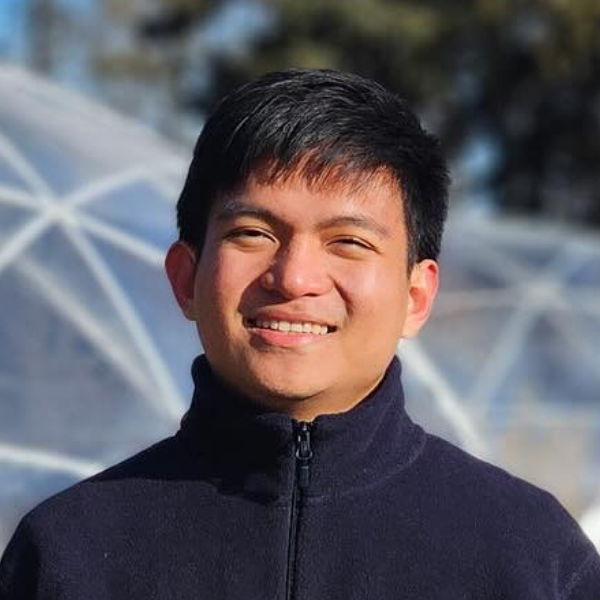
Jimuel Celeste Jr.
Contributor
Jimuel believes in the intersection of Software Engineering, Data Science, and Healthcare in the Philippines.
-

Josel Jabadan
Contributor
Josel believes that high quality data and effective data use bridge the gap in healthcare delivery system. Giving importance to data along with healthy working teams and strong collaboration with partners lead to evidence-based decision-making, more resilient health systems and improved patient outcomes.
-
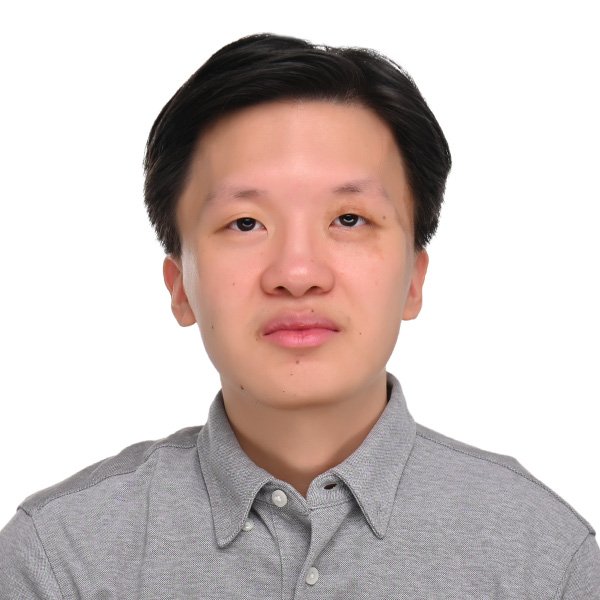
James Edrick Lee
Contributor
Data is essential to healthcare, and goes beyond tracking individual health. It provides a comprehensive view of the patient profile, reveals community-wide health trends, and can reveal underlying mechanisms of diseases.
-
Lucita Lazo
Contributor
Alumni
-

Isabelle Isip
-

Hans Carlo Rivera
-

Erru Torculas
-
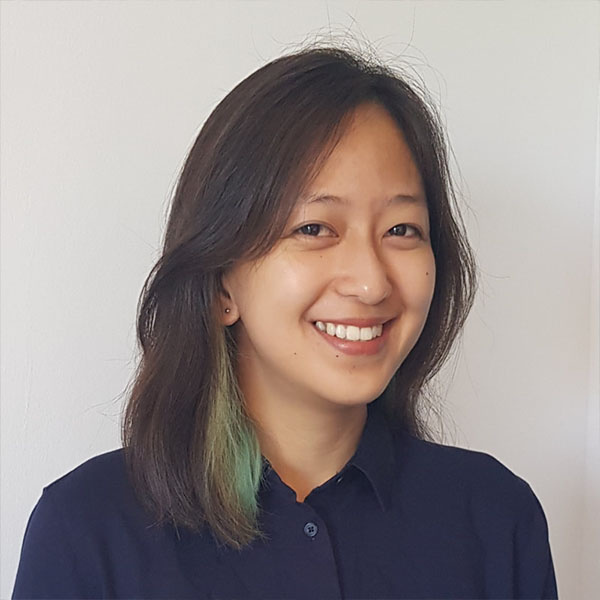
Pia Regina Fatima Zamora-Rico
-

Carlos Angelo Rayos
-

Justine William Duran
-

Jose Marie Minoza
-

Julius Darwin Villagracia
-

Jonathan Adam Rico